Official EIA state rates · July 2026
Know what your appliances really cost to run.
Every calculator on Electricity Cost Guide uses the U.S. Energy Information Administration's published residential electricity rate for your state — currently 18.31¢ per kWh on national average — not a guessed number. Pick an appliance, pick your state, get the real figure for hour, day, month, and year.
Compare electricity rates across all 51 jurisdictions →
- Rates
- 51 jurisdictions
- U.S. avg
- 18.31¢/kWh
- Calculators
- 22
What do you want to price?
Every page runs the same math — appliance draw × hours × your state's EIA rate — with presets for common models and scenarios.

Heating & Cooling
The biggest levers on a winter or summer bill.
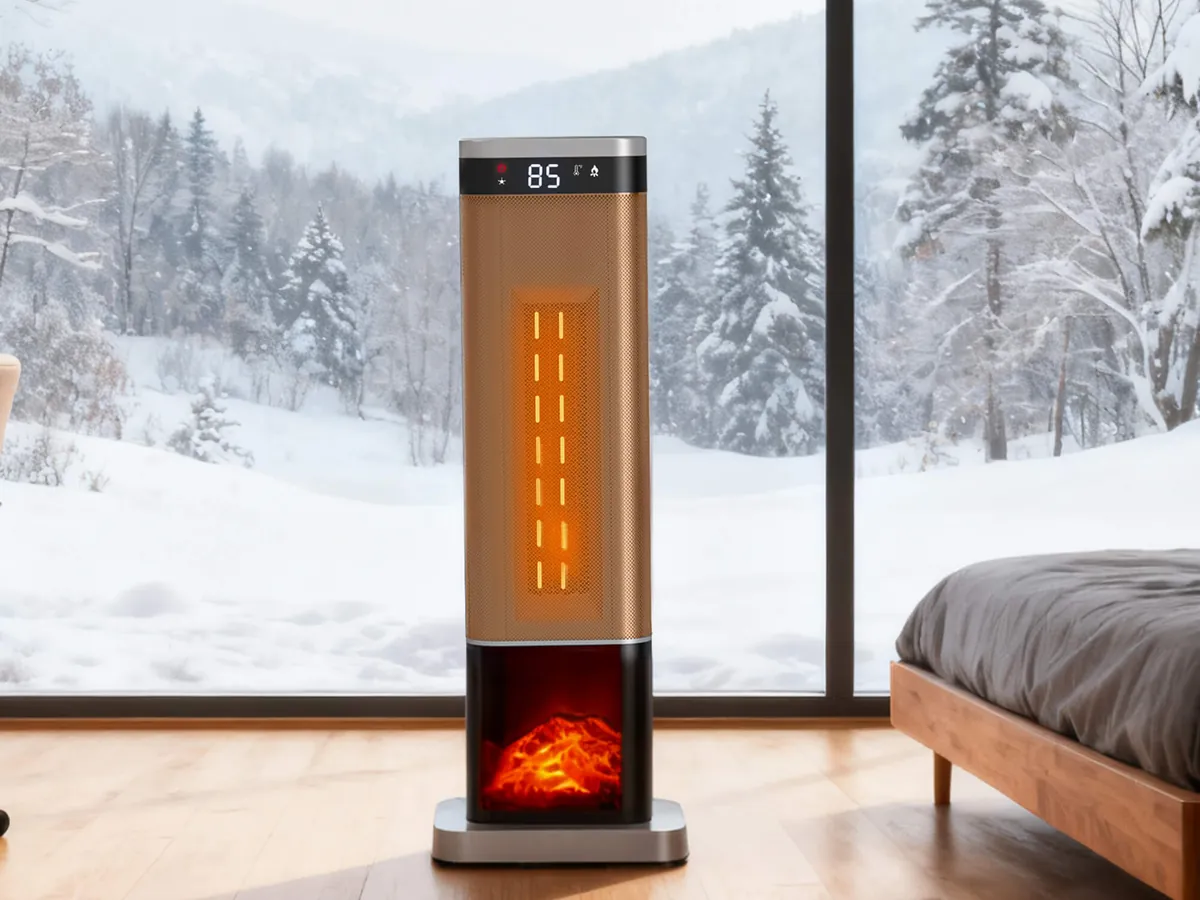
- Space Heater Cost per Hour18.31¢ avg rate basis
- Space Heater Cost per Month18.31¢ avg rate basis
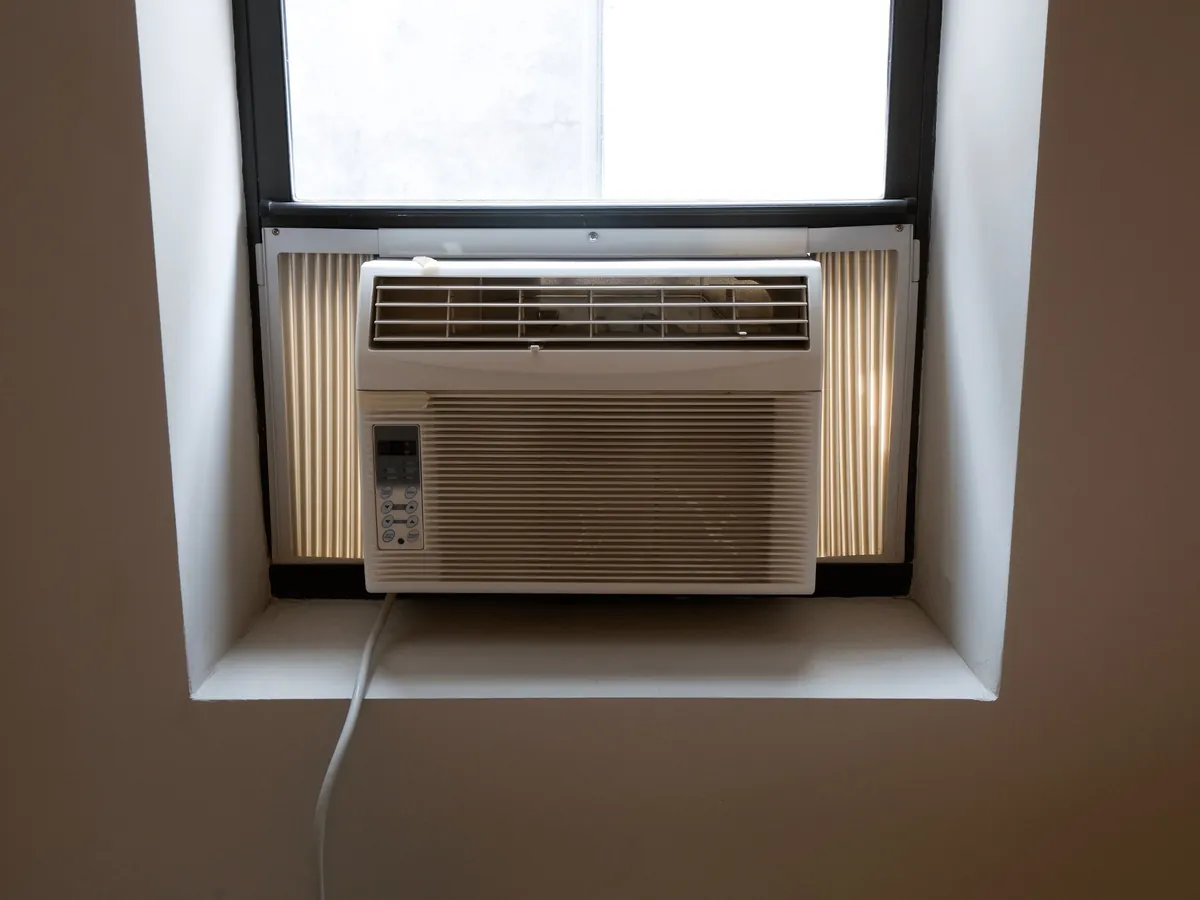
- Air Conditioner Cost per Hour18.31¢ avg rate basis
- Dehumidifier Cost per Hour18.31¢ avg rate basis
- Ceiling Fan Cost per Hour18.31¢ avg rate basis
- Electric Blanket Cost per Hour18.31¢ avg rate basis
- Electric Fireplace Cost per Hour18.31¢ avg rate basis

Kitchen & Laundry
Per-cycle costs for the appliances that run on schedule.
- Dishwasher Cost per Load18.31¢ avg rate basis
- Washing Machine Cost per Load18.31¢ avg rate basis
- Clothes Dryer Cost per Load18.31¢ avg rate basis
- Refrigerator Cost per Month18.31¢ avg rate basis
- Chest Freezer Cost per Month18.31¢ avg rate basis
- Microwave Cost per Minute18.31¢ avg rate basis
- Electric Oven Cost per Hour18.31¢ avg rate basis
- Air Fryer Cost per Hour18.31¢ avg rate basis

Living & Major Loads
Entertainment, big-ticket machines, and your EV.
Most calculated
The six questions people come here for first.




What appliances cost in your state
All 51 jurisdictions →Electricity price is a per-kWh rate, so the same appliances cost very different amounts depending on where you live. These are the six states with the lowest residential rates and the six with the highest, at theJuly 2026 EIA average — with what a 1,500 W space heater costs per month in each.
Cheapest electricity
How to read these numbers
“Per month heater” is a 1,500 W portable heater running 6 hours a day — 274 kWh a month — priced at that state's residential rate. The gap between the cheapest and most expensive state on the list above is $97 a month for that one appliance, and the same multiplier applies to every other load on the bill. Pick your state on any calculator page and the figures switch to your rate.
Why the numbers here are different
Official rate data
Most "how much does X cost" sites use one national number. We use the EIA's published residential rate for all 50 states and DC — the same series utilities and researchers use — and stamp every page with the data period.
Source-labeled facts
Wattage figures come from ENERGY STAR product data and DOE guides, and every page lists its sources. If a number can't be verified, it doesn't ship.
Math you can check
Cost = watts × hours ÷ 1000 × your rate. The methodology page shows the formula, the constants, and the rounding rules — no black boxes.