Size and panel tech
Power scales with screen area: a 75" draws roughly 4× a 32". OLED is a bit more efficient at dark scenes; older plasma sets (still in some homes) are the outliers at 300–500 W.
Popular calculators
Updated July 2026 rate dataLiving & Major LoadsSourced from ENERGY STAR — Televisions
Draw scales with screen area, and factory vivid modes run the backlight harder than the picture needs, so picture settings move the bill as much as the set does. Enter your TV's wattage and daily hours below.
EIA residential average, July 2026. Your utility's exact rate is on your bill.
Real-time math: 100 W × your state's rate, accumulating live.
Run like this for a year and it adds about $33 to your electricity bill.
Draw varies with content brightness (an all-white hockey game costs more than a dark movie scene). Modern sets' EnergyGuide labels list yearly kWh at 5 h/day.
Energy: 0.5 kWh per day · 183 kWh per year, at 18.31¢/kWh (U.S. average).
Wattage is the number that decides everything else. The table below runs the actual figures through this page's calculator at the U.S. average rate of 18.31¢ /kWh, so you can see the running cost jump as the load climbs. Change any value above and the whole page recalculates.
| Watts | Power draw | Per hour | Per month (5 h/day) |
|---|---|---|---|
| 20 W | 20 W draws 0.02 kW | $0.004 | $0.56 |
| 180 W | 180 W draws 0.18 kW | $0.033 | $5.01 |
| 340 W | 340 W draws 0.34 kW | $0.062 | $9.47 |
| 500 W | 500 W draws 0.50 kW | $0.092 | $13.92 |
Basis: July 2026 U.S. average residential rate of 18.31¢ /kWh (EIA Electric Power Monthly, Table 5.6.A). Your state's rate is applied as soon as you pick it above.
Power scales with screen area: a 75" draws roughly 4× a 32". OLED is a bit more efficient at dark scenes; older plasma sets (still in some homes) are the outliers at 300–500 W.
Factory 'Vivid' modes run the backlight at max. Dropping to 'Movie' or a moderate backlight level typically cuts draw 20–40% — and looks better in a living room.
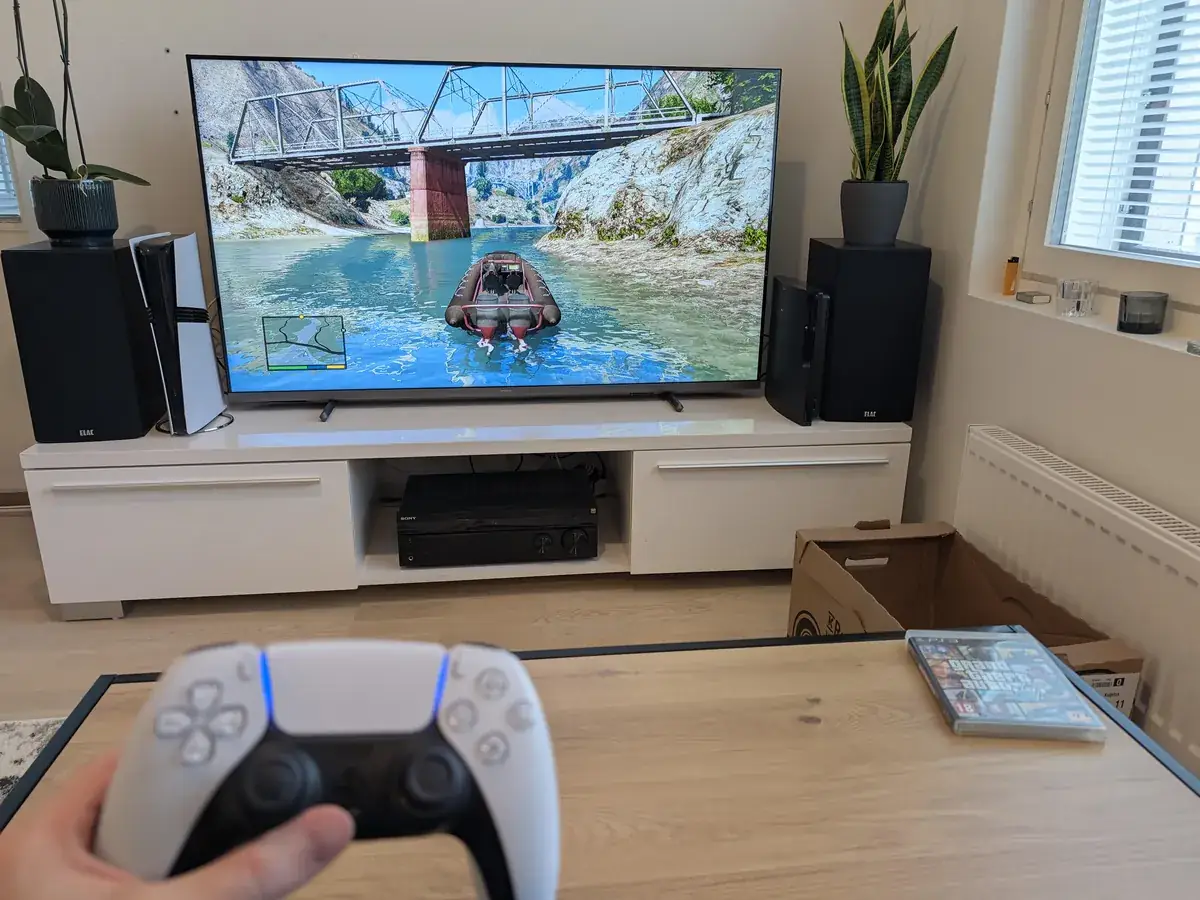
A streaming stick adds a few watts; console gaming through the same screen can add 100–200 W (see the gaming PC page). Standby for the set itself is a few dollars a year at most.
Biggest savings first.
A 55" LED at 24 hours is about $0.44/day at the U.S. average rate (18.31¢/kWh) — roughly $13/month. As background noise, a radio is far cheaper.
Typical 5 h/day viewing of a 55" LED: about $2.70/month at the U.S. average rate. Heavy households (8 h/day, bigger set) reach $6–8/month.
Yes, roughly with screen area: double the diagonal ≈ 4× the area and draw. A 75" typically draws 2–3× a 55".
Rate basis: EIA residential average, July 2026 (retrieved from Electric Power Monthly Table 5.6.A). Estimates are for planning, not billing.