Skip to content

EV Charging Cost

Updated July 2026 rate dataLiving & Major LoadsSourced from U.S. EIA

Efficiency and climate do most of the work: a bigger truck or a cold winter needs more kWh per mile, and a time-of-use plan can cut the same charging far cheaper overnight. Set your daily miles, efficiency, and state below.

Quick pick

EIA residential average, July 2026. Your utility's exact rate is on your bill.

Rate applied
18.31¢ /kWh
U.S. average

38 mi
5 mi200 mi
3.5 mi/kWh
1.5 mi/kWh6.0 mi/kWh
Common setups

Per mile
$0.052
Per day
$1.99
Per month
$60.47
Per year
$726

In U.S. average, driving 38 miles a day adds about $60.47 a month to your electricity bill.

Full recharge of a 75 kWh pack from empty: $13.73.

Home charging on your residential rate. Public DC fast charging often costs 2–3× your home rate — it's the road-trip exception, not the norm.

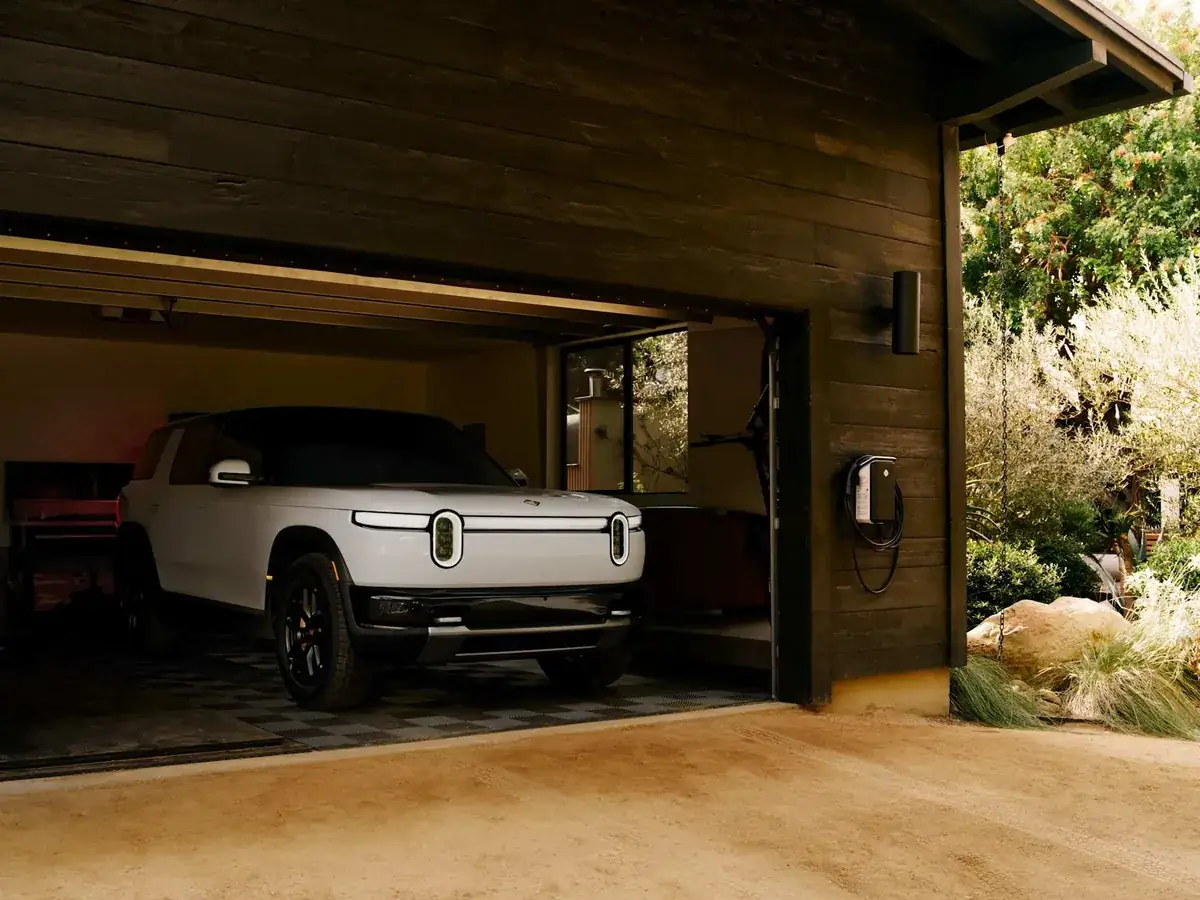
An electric car plugged into a home wall charger in a driveway

What changes the number

Efficiency: the EV's MPG

EVs range from about 2.5 mi/kWh (big trucks, performance cars) to 4+ (efficient sedans). Cold weather can cut efficiency 20–30% (cabin heat + battery chemistry), and highway speeds cost more than city driving — the opposite of gasoline cars.


Your state's rate

The same EV costs about $0.036 to fuel in Nevada and over $0.137 in Hawaii at residential rates. In cheap-electricity states an EV is dramatically cheaper to run; even in the most expensive states the gap to a comparable gasoline car stays wide. The state selector below gives exact numbers.

Charging losses

The battery-to-wall math includes ~10% charging losses; the miles-per-kWh figures drivers report already reflect them. A Level 2 home charger's own standby draw is negligible.

Time-of-use plans

Many utilities offer EV time-of-use rates with cheap overnight windows — often 30–60% below the standard rate. Charging at midnight instead of 6 pm can cut your fuel bill nearly in half.

Cut the cost

Biggest savings first.

  1. Ask your utility about EV time-of-use rates; overnight charging is often the cheapest electricity your home can buy.
  2. Charge to 80% for daily use (battery-friendly) and 100% only before long trips.
  3. For per-mile math that beats any gas car: even at the U.S. average rate, EVs undercut $3.50/gas at 30 mpg by half.
  4. Precondition the cabin while still plugged in on cold mornings — battery range goes to driving, not defrosting.

Frequently asked questions

How much does it cost to charge an EV at home?

A typical EV (3.5 mi/kWh) at the U.S. average rate (18.31¢/kWh) costs about $0.05/mile — roughly $2 per 40-mile day, or $60–70/month for average commuting. Full charge of a 75 kWh pack from empty: about $13.75.

Is charging an EV cheaper than gas?

Yes — by a wide margin. A 30-mpg gasoline car at the U.S. average of $4.48/gal (EIA weekly retail price, week ending 21 September 2026) costs about $0.149 per mile, against roughly $0.05 for a typical EV charging at home: gasoline is close to three times as much. In the cheapest electricity states the gap widens past 3–4×; in Hawaii it narrows but does not close.

How much does an EV add to your electricity bill per month?

For average U.S. driving (13,500 miles/yr ≈ 38 mi/day): about $60–70/month at the U.S. average rate. Heavy commuters doubling that mileage add $130+. Off-peak EV rates can cut these figures 30–60%.

How much does it cost to fully charge an EV?

Take the pack size (kWh) × your rate ÷ 100. A 75 kWh pack at the U.S. average rate (18.31¢/kWh) is about $13.75 from empty; a 60 kWh pack about $11. Divide by real-world range for the per-mile figure.

Does EV charging cost more in winter?

Yes — cold cuts efficiency 20–30%, so the same commute needs 20–30% more kWh. Cabin heating is the main driver; seat heaters use far less than cabin air heat.

Sources

Rate basis: EIA residential average, July 2026 (retrieved from Electric Power Monthly Table 5.6.A). Estimates are for planning, not billing.

Keep calculating