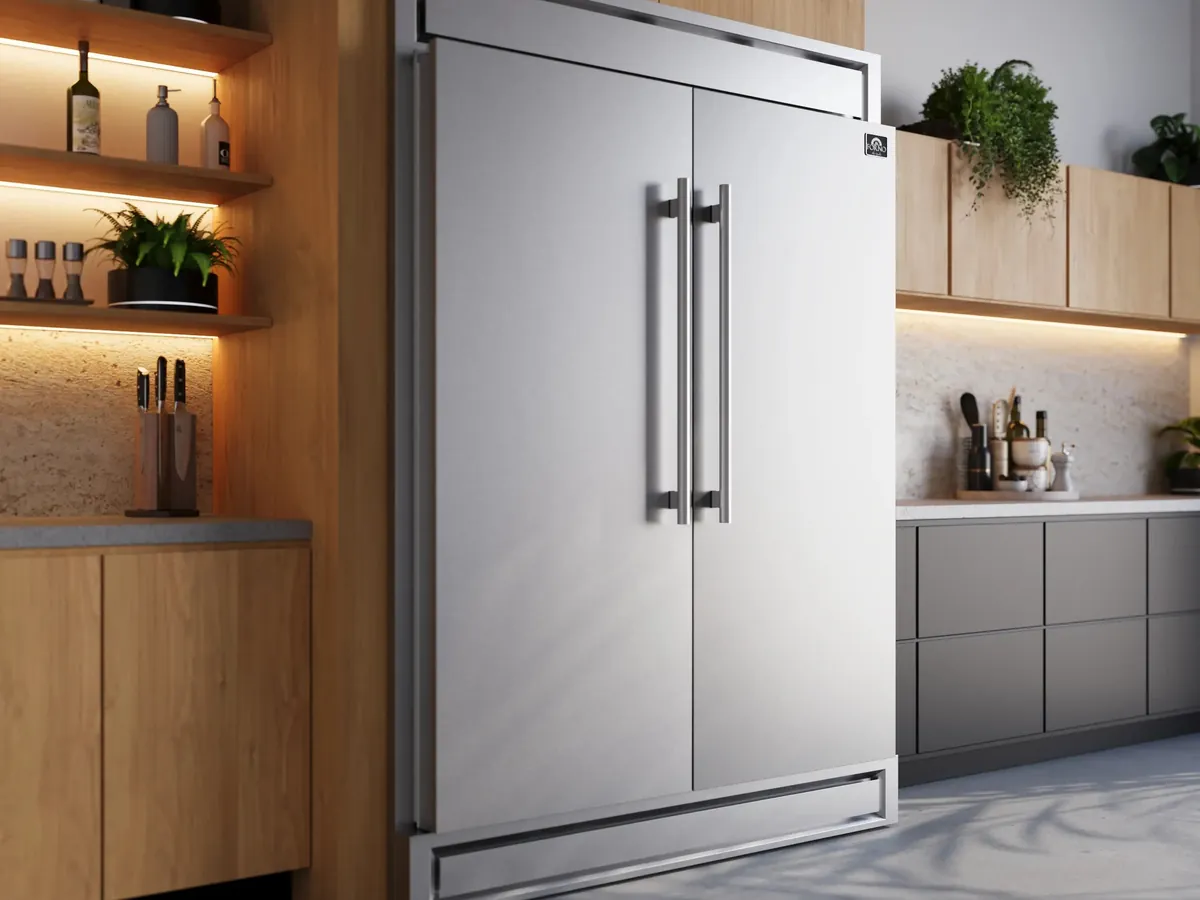
Chest vs. upright
Uprights lose cold air with every opening; chests trap it. Same-size chests typically run 10–25% cheaper than uprights, and manual-defrost models beat frost-free.
Popular calculators
Updated July 2026 rate dataKitchen & LaundrySourced from ENERGY STAR — Freezers
Cold air pools in a chest instead of spilling out with every opening, and a fuller freezer holds temperature with less compressor work. Enter the kWh per year from your label along with your state below.
EIA residential average, July 2026. Your utility's exact rate is on your bill.
Run like this for a year and it adds about $51 to your electricity bill.
EnergyGuide labels list exact kWh/year per model — entering yours beats these generic figures.
Energy: 0.77 kWh per day · 280 kWh per year, at 18.31¢/kWh (U.S. average).
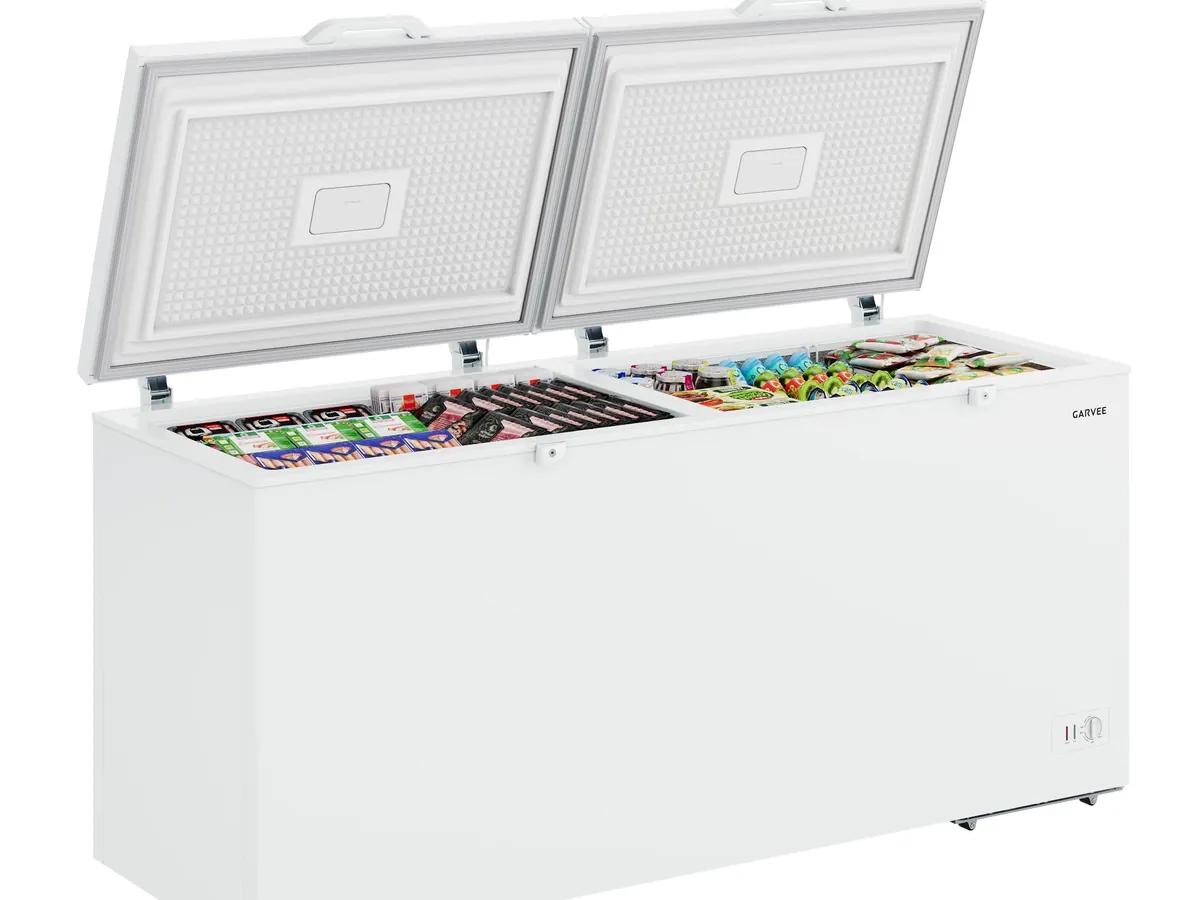
Uprights lose cold air with every opening; chests trap it. Same-size chests typically run 10–25% cheaper than uprights, and manual-defrost models beat frost-free.
A full freezer holds temperature with less compressor work (frozen food is its own thermal mass). Water jugs fill dead space cheaply.
A freezer on a porch or in a hot garage works much harder in summer — the annual label assumes a moderate room temperature.
Biggest savings first.
Typically $3–6/month at the U.S. average rate (18.31¢/kWh) depending on size. Old pre-2010 uprights can run $9+/month.
No — they're among the cheapest large appliances to run: 200–400 kWh/year for common sizes, roughly 1 kWh/day or less.
Generally yes — cold air pools in a chest instead of spilling out, saving roughly 10–25% for equivalent size and age.
Rate basis: EIA residential average, July 2026 (retrieved from Electric Power Monthly Table 5.6.A). Estimates are for planning, not billing.