Heat setting
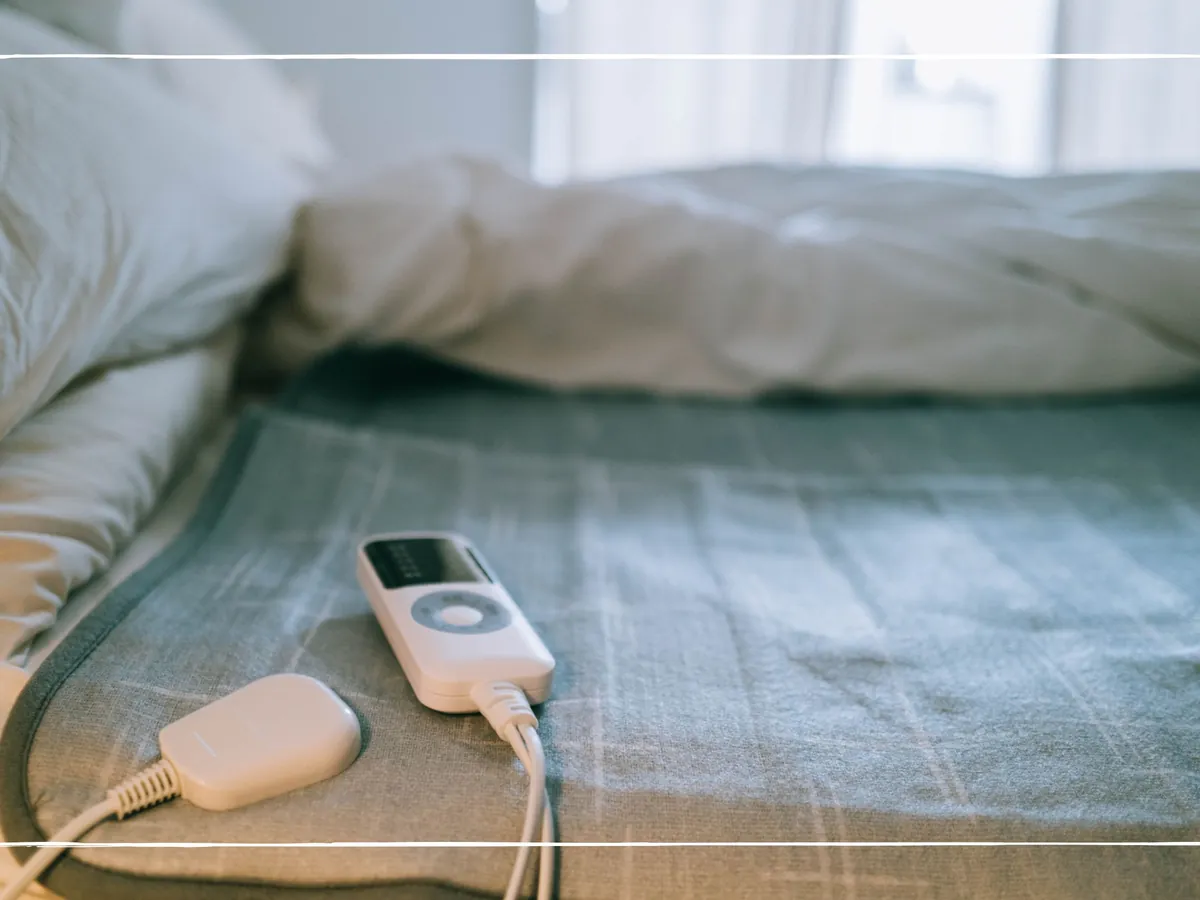
Blankets pulse their heating wires under control of the dial; higher settings keep them on more. Pre-heat on high for 15 minutes, then dial back — most warmth-per-cent comes from medium settings once you're under the covers.
Popular calculators
Updated July 2026 rate dataHeating & CoolingSourced from U.S. EIA — Electricity use in homes (end-use shares)
The dial matters more than the blanket: pre-heating on high and then backing off stores warmth in the covers for far less element-on time. Set your blanket's size and hours on below to see the figure.
EIA residential average, July 2026. Your utility's exact rate is on your bill.
Real-time math: 100 W × your state's rate, accumulating live. Thermostatically controlled units cycle on and off, so average use is usually below the flat-out figure.
Run like this for a year and it adds about $27 to your electricity bill.
Energy: 0.4 kWh per day · 146 kWh per year, at 18.31¢/kWh (U.S. average).
Wattage is the number that decides everything else. The table below runs the actual figures through this page's calculator at the U.S. average rate of 18.31¢ /kWh, so you can see the running cost jump as the load climbs. Change any value above and the whole page recalculates.
| Watts | Power draw | Per hour | Per month (4 h/day) |
|---|---|---|---|
| 40 W | 40 W draws 0.04 kW | $0.007 | $0.89 |
| 110 W | 110 W draws 0.11 kW | $0.02 | $2.45 |
| 180 W | 180 W draws 0.18 kW | $0.033 | $4.01 |
| 250 W | 250 W draws 0.25 kW | $0.046 | $5.57 |
Basis: July 2026 U.S. average residential rate of 18.31¢ /kWh (EIA Electric Power Monthly, Table 5.6.A). Your state's rate is applied as soon as you pick it above.
Blankets pulse their heating wires under control of the dial; higher settings keep them on more. Pre-heat on high for 15 minutes, then dial back — most warmth-per-cent comes from medium settings once you're under the covers.
Twin ~60 W, queen ~100 W, king ~130 W. A heated throw for the couch is smaller still at ~50 W. Bigger blankets cost proportionally more per hour but divide across more sleepers.
Modern blankets shut off after 1–10 hours for safety. That cap is also a cost cap: a blanket that quits at 2 hours costs half of one set to run 4 hours.
Biggest savings first.
About 15–25¢ for 8 hours at the U.S. average rate (18.31¢/kWh) for a queen blanket, depending on setting. A month of nightly use is roughly $5. It is one of the cheapest ways to stay warm.
No — 60–130 W is light-duty, similar to a bright incandescent bulb. Compare that with a 1,500 W space heater: the blanket delivers personal warmth at about a tenth of the power.
The blanket, every time — it heats your body directly instead of the room's air, so it needs about 1/10th the energy to deliver the same comfort while you sleep or sit still.
Rate basis: EIA residential average, July 2026 (retrieved from Electric Power Monthly Table 5.6.A). Estimates are for planning, not billing.