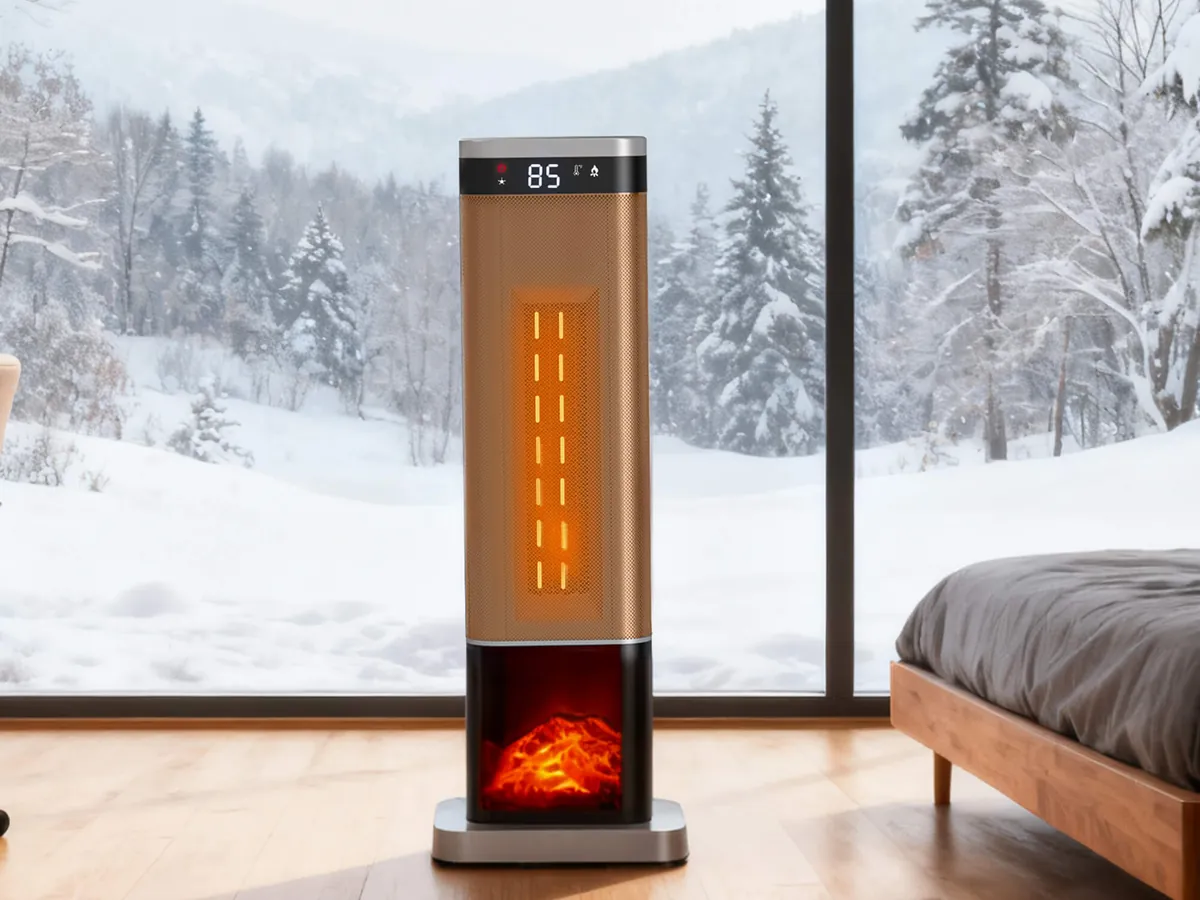
Mode is everything
The LED 'flames' and log glow use a trivial amount of power. The 1,500 W resistive heater is where cost lives. If you love the ambiance but the room is already warm, flames-only is effectively free.
Popular calculators
Updated July 2026 rate dataHeating & CoolingSourced from U.S. EIA — Electricity use in homes (end-use shares)
Mode decides everything here: the LEDs and log glow are trivial, while the resistive heater section is a full space heater underneath. Tell the tool whether you run flames only or with heat, and pick your state below.
EIA residential average, July 2026. Your utility's exact rate is on your bill.
Real-time math: 1,500 W × your state's rate, accumulating live. Thermostatically controlled units cycle on and off, so average use is usually below the flat-out figure.
Run like this for a year and it adds about $401 to your electricity bill.
Energy: 6 kWh per day · 2,190 kWh per year, at 18.31¢/kWh (U.S. average).
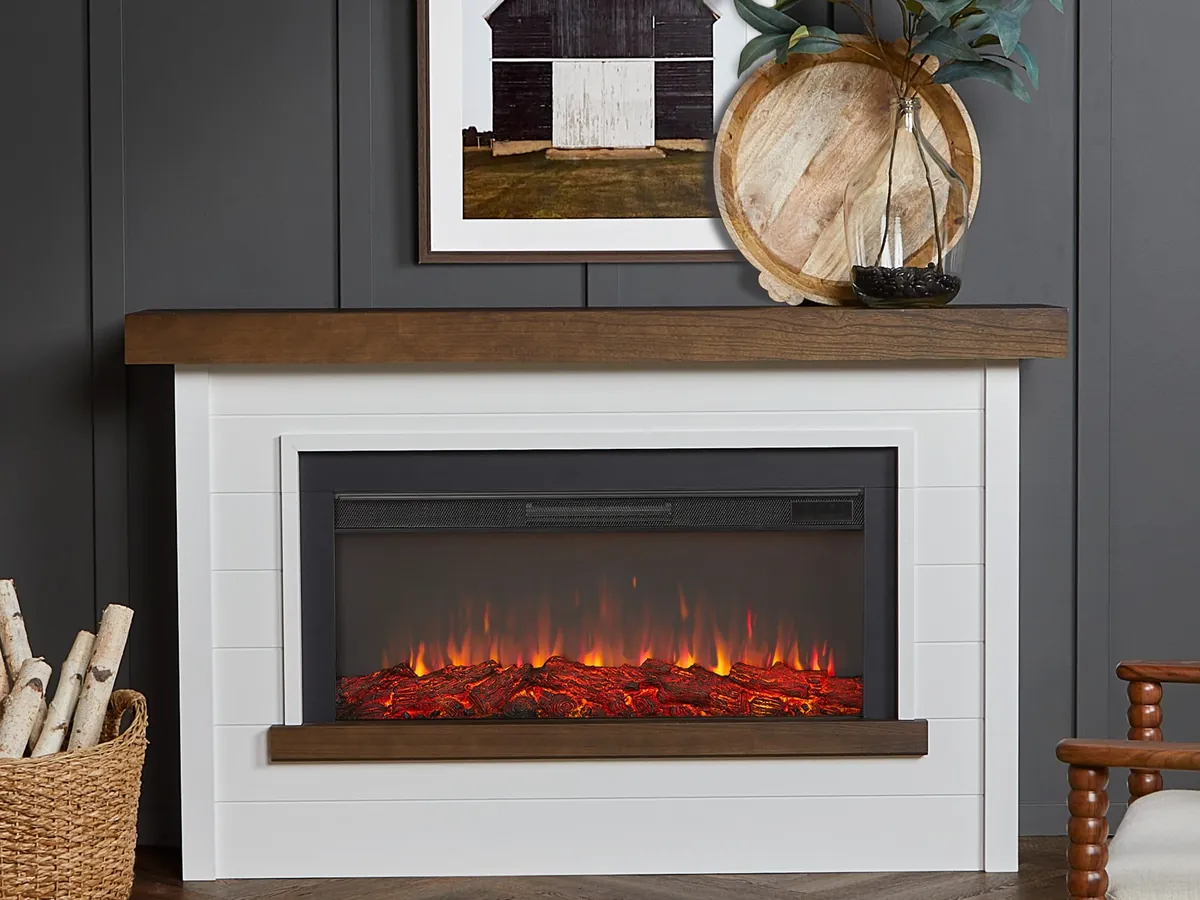
Wattage is the number that decides everything else. The table below runs the actual figures through this page's calculator at the U.S. average rate of 18.31¢ /kWh, so you can see the running cost jump as the load climbs. Change any value above and the whole page recalculates.
| Watts | Power draw | Per hour | Per month (4 h/day) |
|---|---|---|---|
| 100 W | 100 W draws 0.10 kW | $0.018 | $2.23 |
| 1,735 W | 1,735 W draws 1.74 kW | $0.32 | $38.66 |
| 3,365 W | 3,365 W draws 3.37 kW | $0.62 | $74.97 |
| 5,000 W | 5,000 W draws 5.00 kW | $0.92 | $111 |
Basis: July 2026 U.S. average residential rate of 18.31¢ /kWh (EIA Electric Power Monthly, Table 5.6.A). Your state's rate is applied as soon as you pick it above.
The LED 'flames' and log glow use a trivial amount of power. The 1,500 W resistive heater is where cost lives. If you love the ambiance but the room is already warm, flames-only is effectively free.
A 1,500 W fireplace insert and a 1,500 W ceramic heater deliver identical heat for identical cost. What you're paying extra for is the mantel, the look, and usually a quieter fan.
Large built-in inserts run on 240-volt circuits and draw 3,000–5,000 W. They heat bigger spaces but cost 2–3× per hour at the same rate — check your unit's plate, not just the brand page.
Biggest savings first.
Flames-only: trivially little (LEDs and a small motor, ~10 W). With the heater on: yes, 1,500 W — the same as a large space heater. At the U.S. average rate that's about 28¢ per hour of heating, or $1.10 for a 4-hour evening.
At 4 hours a day with heat on: about $33/month at the U.S. average rate (18.31¢/kWh). Flames-only for the same hours is about $0.55/month. Set your exact hours and state rate above.
Per unit of heat delivered, gas is usually cheaper than electric resistance in most states — but electric fireplaces win on installation cost (no venting, no gas line), safety, and zone control. For ambiance-first use with occasional heat, electric is typically the economical pick.
Rate basis: EIA residential average, July 2026 (retrieved from Electric Power Monthly Table 5.6.A). Estimates are for planning, not billing.