Speed setting
Power scales steeply with speed — low is roughly a third of high. An 8-hour night on low can cost less than 2 hours on high while still moving plenty of air over your skin.
Popular calculators
Updated July 2026 rate dataHeating & CoolingSourced from ENERGY STAR — Ceiling Fans
A fan moves air rather than cooling a room, so what matters is whether someone is there to feel it — and a light kit can cost more than the fan itself. Choose your fan's draw and daily hours below to see the cost.
EIA residential average, July 2026. Your utility's exact rate is on your bill.
Real-time math: 60 W × your state's rate, accumulating live.
Run like this for a year and it adds about $32 to your electricity bill.
Wattage ranges: small (36") fans draw 30–55 W on high, large (52"+) 55–100 W; low speeds are a third of high. Light kits add their own draw on top.
Energy: 0.48 kWh per day · 175 kWh per year, at 18.31¢/kWh (U.S. average).

Wattage is the number that decides everything else. The table below runs the actual figures through this page's calculator at the U.S. average rate of 18.31¢ /kWh, so you can see the running cost jump as the load climbs. Change any value above and the whole page recalculates.
| Watts | Power draw | Per hour | Per month (8 h/day) |
|---|---|---|---|
| 10 W | 10 W draws 0.01 kW | $0.002 | $0.45 |
| 55 W | 55 W draws 0.06 kW | $0.01 | $2.45 |
| 105 W | 105 W draws 0.10 kW | $0.019 | $4.68 |
| 150 W | 150 W draws 0.15 kW | $0.027 | $6.68 |
Basis: July 2026 U.S. average residential rate of 18.31¢ /kWh (EIA Electric Power Monthly, Table 5.6.A). Your state's rate is applied as soon as you pick it above.
Power scales steeply with speed — low is roughly a third of high. An 8-hour night on low can cost less than 2 hours on high while still moving plenty of air over your skin.
A fan's breeze makes you feel 3–4°F cooler by speeding evaporation from skin, but it does not lower room temperature. Leaving a fan running in an empty room is pure waste — switch it off when you leave, like a light.
An old incandescent light kit can draw 100–300 W — more than the fan itself. LED retrofits cut that to 10–20 W, which is why a 'fan with light' cost difference often comes down to the bulbs.
Biggest savings first.
About 33¢ a day at the U.S. average rate (18.31¢/kWh) for a 75 W fan on high — roughly $10 a month. On low speed it's closer to a third of that. The only exception is fans with old incandescent light kits, which cost multiples more.
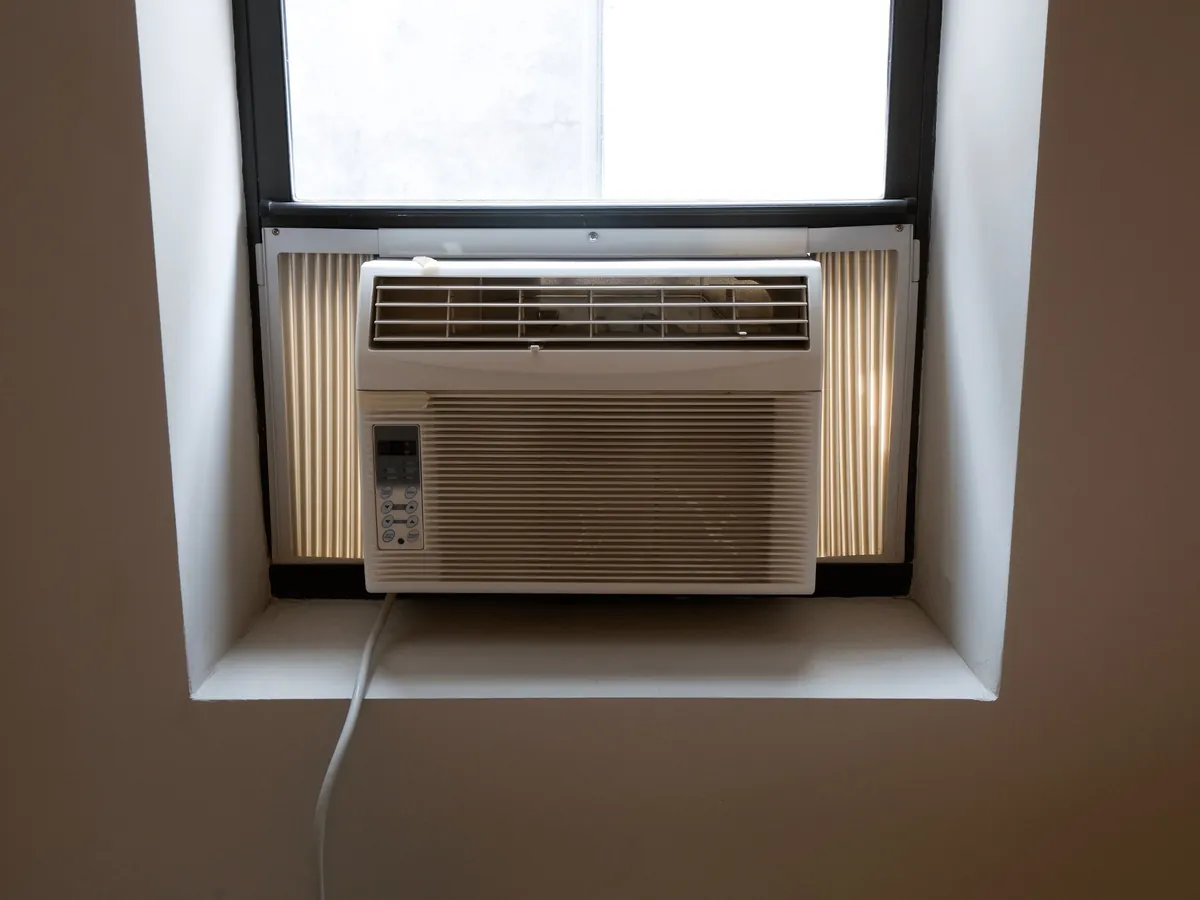
No — they're among the lowest-draw appliances in a home, 10–100 W depending on size and speed. For comparison, a window AC draws 500–1,000 W. This is why 'AC + fan at higher setpoint' is cheaper than AC alone at low setpoint.
Similar to a ceiling fan: box fans draw 40–100 W, tower fans 30–90 W depending on speed. At the U.S. average rate that's about 1–2¢ per hour. The calculator above works for any fan — just set its wattage.
Rate basis: EIA residential average, July 2026 (retrieved from Electric Power Monthly Table 5.6.A). Estimates are for planning, not billing.