Speed and incline
The motor's job is fighting friction under load. Steep incline walking can out-draw flat running; heavy users see higher figures than light users on the same machine.
Popular calculators
Updated July 2026 rate dataLiving & Major LoadsSourced from U.S. EIA — Electricity use in homes (end-use shares)
The motor works against friction, so belt speed, incline, and how much you weigh all raise the draw on the same machine — and standby electronics add a little more when it stays plugged in. Enter your wattage, hours per day, and state below.
EIA residential average, July 2026. Your utility's exact rate is on your bill.
Real-time math: 900 W × your state's rate, accumulating live.
Run like this for a year and it adds about $60 to your electricity bill.
Draw rises with belt speed, incline, and runner weight — the motor works against friction. Figures here are typical measured ranges from review testing.
Energy: 0.9 kWh per day · 329 kWh per year, at 18.31¢/kWh (U.S. average).
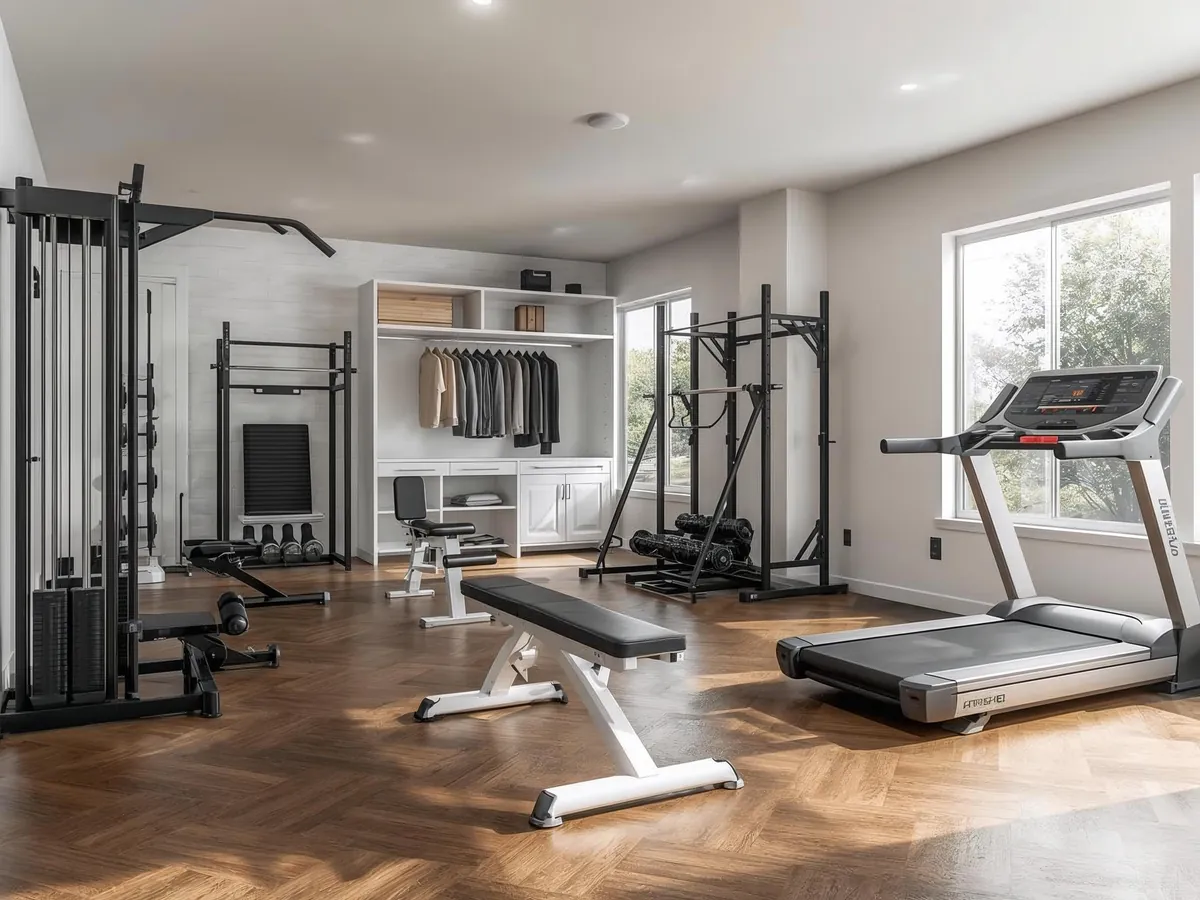
Wattage is the number that decides everything else. The table below runs the actual figures through this page's calculator at the U.S. average rate of 18.31¢ /kWh, so you can see the running cost jump as the load climbs. Change any value above and the whole page recalculates.
| Watts | Power draw | Per hour | Per month (1 h/day) |
|---|---|---|---|
| 300 W | 300 W draws 0.30 kW | $0.055 | $1.67 |
| 1,035 W | 1,035 W draws 1.03 kW | $0.19 | $5.76 |
| 1,765 W | 1,765 W draws 1.76 kW | $0.32 | $9.83 |
| 2,500 W | 2,500 W draws 2.50 kW | $0.46 | $13.92 |
Basis: July 2026 U.S. average residential rate of 18.31¢ /kWh (EIA Electric Power Monthly, Table 5.6.A). Your state's rate is applied as soon as you pick it above.
The motor's job is fighting friction under load. Steep incline walking can out-draw flat running; heavy users see higher figures than light users on the same machine.
More mass to move means more motor torque — the same machine can draw meaningfully different power for different household members.
Consoles with screens and networking can idle at 3–8 W. On a rarely-used machine, standby can exceed workout energy over a year — use the master power switch.
Biggest savings first.
Typically 0.7–1.4 kWh per hour of use — $0.13–26 at the U.S. average rate (18.31¢/kWh), depending on speed, incline, and user weight.
Daily one-hour jogging sessions: about $5.20/month at the U.S. average rate. Even heavy daily use stays under $15/month.
During workouts it draws serious watts (like a small space heater) but only for the session — total monthly cost is small. The silent cost is standby electronics on models left plugged in.
Rate basis: EIA residential average, July 2026 (retrieved from Electric Power Monthly Table 5.6.A). Estimates are for planning, not billing.