Skip to content

Space Heater Cost per Hour

Updated July 2026 rate dataHeating & CoolingSourced from U.S. EIA

Space heaters cost what their thermostat lets them: once the room reaches temperature, a thermostat or eco mode cycles the element off, and a drafty room keeps that cycle running longer. Set your heater's wattage and your state below for the exact figure.

Quick pick

EIA residential average, July 2026. Your utility's exact rate is on your bill.

Rate applied
18.31¢ /kWh
U.S. average

1,500 W
200 W3,000 W
6 h
0.5 h24 h
Common setups

Live cost meter · running at your current settings
$0.00000
since you opened this page · 0:00 elapsed
1.50 kW · 0.0000 kWh burned
burn rate
$0.27/hr
24/7 ≈ $201/mo

Real-time math: 1,500 W × your state's rate, accumulating live. Thermostatically controlled units cycle on and off, so average use is usually below the flat-out figure.

Per hour
$0.27
Per day
$1.65
9 kWh
Per month
$50.12
274 kWh
Per year
$601
3,285 kWh

Run like this for a year and it adds about $601 to your electricity bill.

Uses the U.S. average residential rate of 18.31¢/kWh (EIA, July 2026). Most space heaters are 1,500 W on high and 750 W on low; the wattage you set is the element's draw while it is on.

Energy: 9 kWh per day · 3,285 kWh per year, at 18.31¢/kWh (U.S. average).

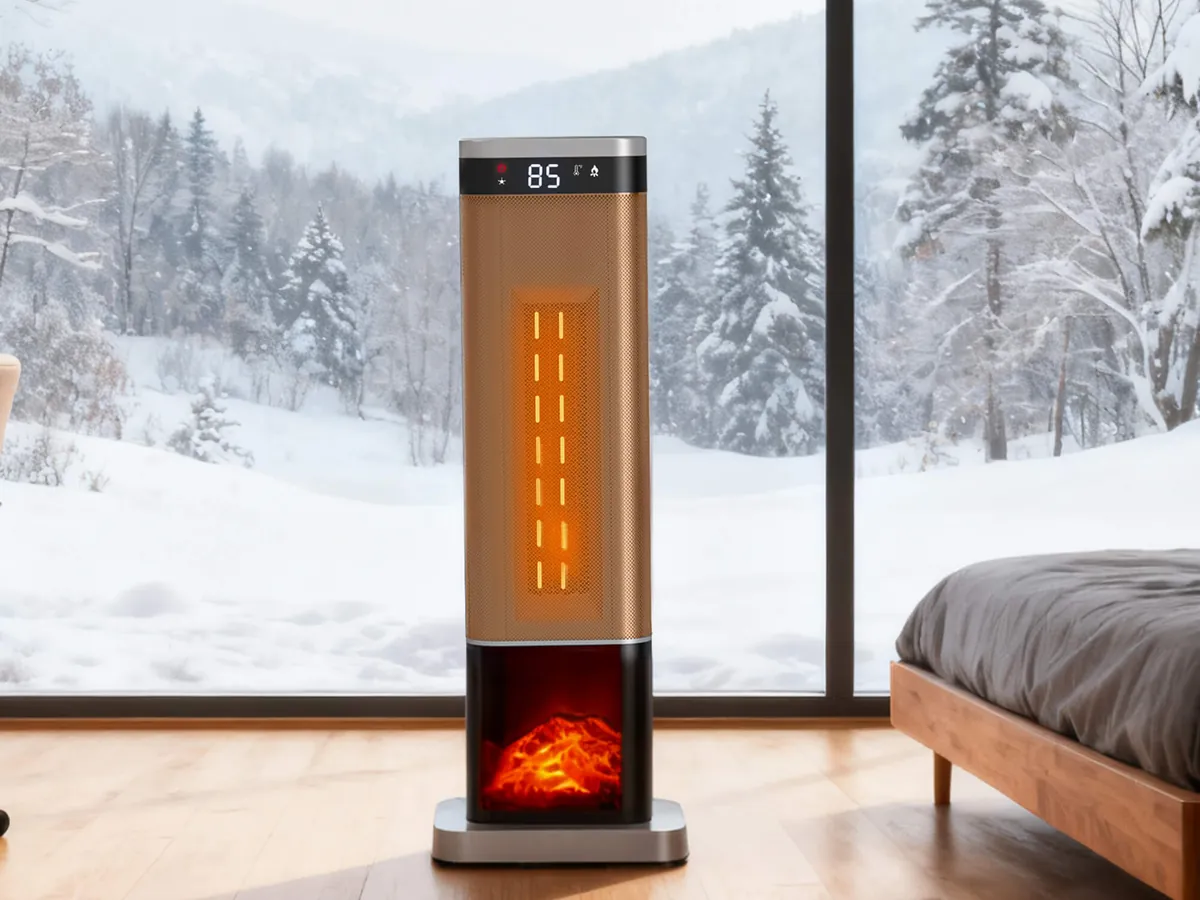
A portable electric space heater running in a bedroom on a cold evening

How many watts does a space heater use, and what does it cost to run?

Wattage is the number that decides everything else. The table below runs the actual figures through this page's calculator at the U.S. average rate of 18.31¢ /kWh, so you can see the running cost jump as the load climbs. Change any value above and the whole page recalculates.

Watts and running cost for a space heater at the U.S. average rate
WattsPower drawPer hourPer month (6 h/day)
200 W200 W draws 0.20 kW$0.037$6.68
1,135 W1,135 W draws 1.14 kW$0.21$37.93
2,065 W2,065 W draws 2.06 kW$0.38$69.01
3,000 W3,000 W draws 3.00 kW$0.55$100

Basis: July 2026 U.S. average residential rate of 18.31¢ /kWh (EIA Electric Power Monthly, Table 5.6.A). Your state's rate is applied as soon as you pick it above.

What changes the number

Thermostat cycling

Most heaters don't run the element continuously. Once the room reaches temperature, a thermostat or eco mode cycles the element off and back on. A heater that runs its element 60% of the hour costs 60% of the nameplate figure — that is why a drafty basement costs more than an insulated bedroom.
Wattage is fixed by the element

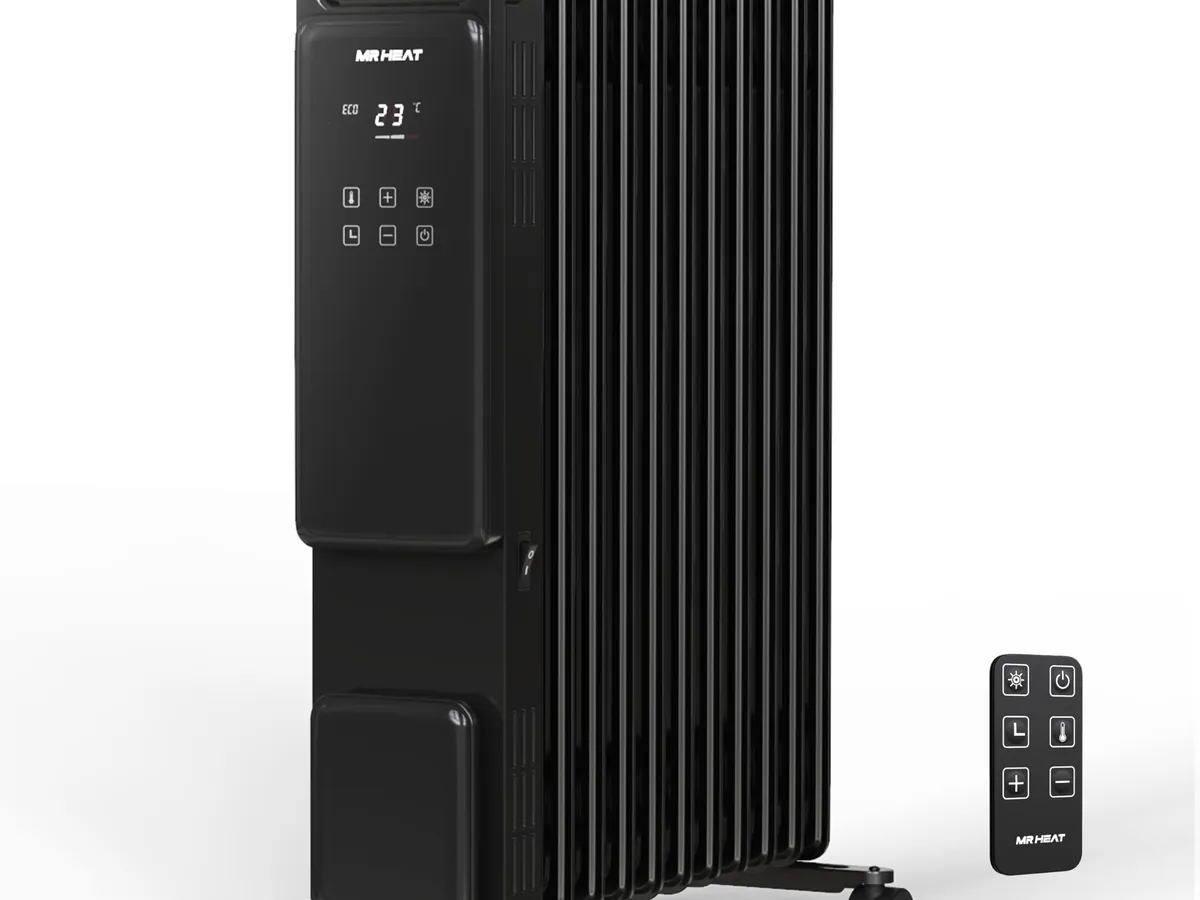
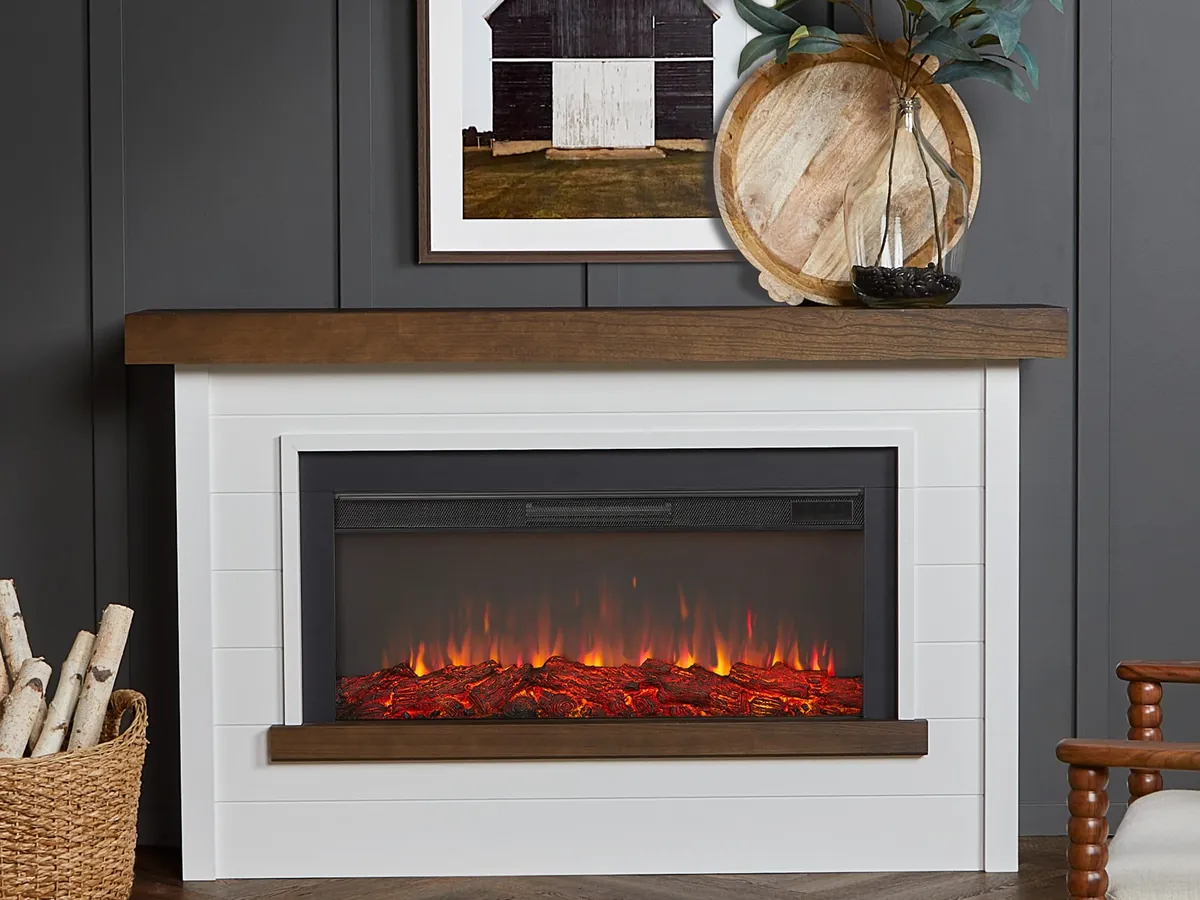
Portable heaters almost always draw 1,500 W on high and about 750 W on low, regardless of price or brand. 'Infrared', 'ceramic', and 'oil-filled' describe how heat is delivered, not how much energy is used — a 1,500 W oil-filled radiator and a 1,500 W ceramic fan heater cost exactly the same per hour.

Your state's electricity rate

The same heater costs about $0.192 per hour in Nevada and $0.720 per hour in Hawaii. Because space heaters can easily add 200+ hours over a winter, the state rate is the single biggest long-run difference. Pick your state below for exact numbers.

Room heat loss

A heater fights the room's leaks: single-pane windows, uninsulated walls, doors left ajar. Sealing drafts and closing doors to unused rooms lowers the duty cycle — the hours the element actually runs — which is where the real savings live.

Cut the cost

Biggest savings first.

  1. Heat the person, not the room: a 150 W infrared panel or heated throw at your desk costs a fraction of warming the whole space.
  2. Drop the central thermostat 2–3°F and use the space heater only in the occupied room — zone heating beats whole-house heating on cost.
  3. If your heater has a built-in timer, use it only as described in its manual while you are present. Turn the heater off before sleeping or leaving the room; never rely on a smart plug to run it unattended.
  4. On low (750 W) the heater uses half the energy — often enough to hold a temperature once the room is warm.
  5. Check your rate on your utility bill's 'price to compare' (¢/kWh) — it is usually different from the national average.

Frequently asked questions

How much does it cost to run a 1500 watt heater for 24 hours?

At the U.S. average rate of 18.31¢/kWh, a 1,500 W heater running flat out for 24 hours uses 36 kWh and costs about $6.59. In cheap-electricity states it is closer to $4.60; in Hawaii about $17.28. Most real usage is shorter with thermostat breaks, so treat 24-hour flat-out as the ceiling.

Do space heaters use a lot of electricity?

Yes — per hour they are among the heaviest plug-in loads in a home: 1,500 W is like running a large window AC or about 15 laptops at once. The saving grace is that they run for part of the day in one room, and the thermostat cycles them off periodically.

Is it cheaper to run a space heater or central heat?

Per unit of heat, electric resistance heat costs the same whether it is in a furnace or a portable heater. A space heater is cheaper only when it lets you heat one occupied room instead of the whole house — that is the zone-heating strategy. If you keep the whole house just as warm as before, the space heater is pure added cost.

How much does a space heater cost per month in winter?

Running 1,500 W for 6 hours a day costs about $50/month at the U.S. average rate (18.31¢/kWh, 30.4-day month). At 2 hours a day it is closer to $17/month. Use the calculator above with your own hours and state rate for a precise figure.

Why is my heater's cost different from my friend's in another state?

Electricity rates are set state by state — the U.S. average is about 18¢/kWh, but the cheapest states pay around 13¢ and the most expensive pay over 50¢. The same heater on the same schedule can cost 2–4× more depending on where you live.

Sources

Rate basis: EIA residential average, July 2026 (retrieved from Electric Power Monthly Table 5.6.A). Estimates are for planning, not billing.

Keep calculating